
Research
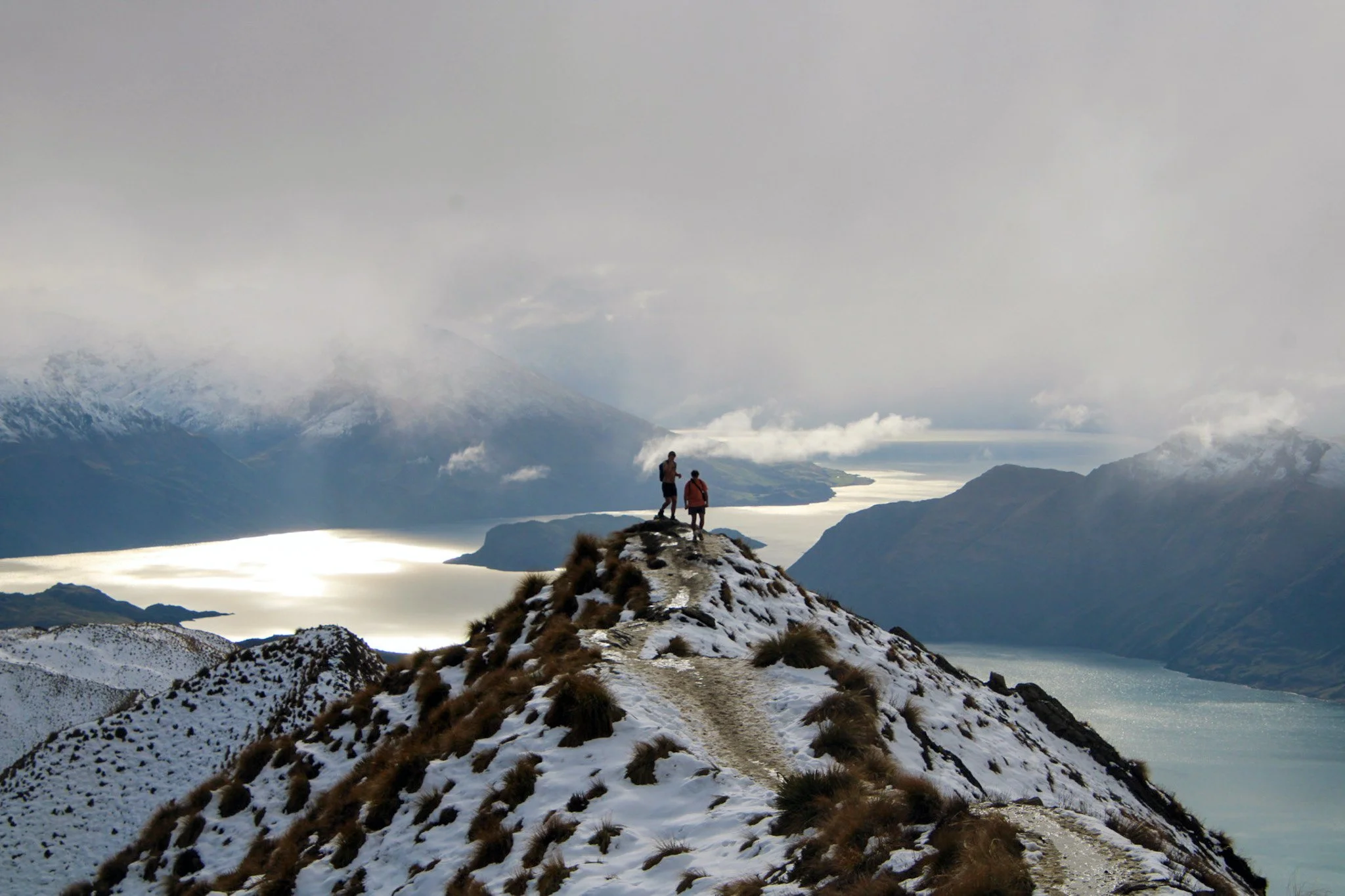
Chapter 23. How to Pay for it All: Funding Strategies for Protected Area and Visitor
Management
Handbook on Tourism and Protected Areas - Edward Elgar Publishing (Upcoming)
The combination of high visitation and newly available visitor management techniques provides ample chance for innovation in visitor experience management and resource conservation. This chapter explores how protected area managers and their partners work to decrease these barriers. Traditional methods of protected area funding, including governmental appropriation and visitor fees, are reviewed as are other significant alternative funding opportunities, such as legislative acts, grants, corporate sponsorships, leasing, concessions contracting, donations, and volunteerism. Examples from Grand Teton National Park, Yellowstone National Park, and Yosemite National Park, and Gateway National Recreation Area are examined to highlight the impact of each funding avenue. Together, these explanations and examples provide readers the opportunity to understand the strengths, weaknesses, and opportunities associated with a variety of funding strategies currently available to and used by protected area practitioners and highlight opportunities for advanced research in this area.
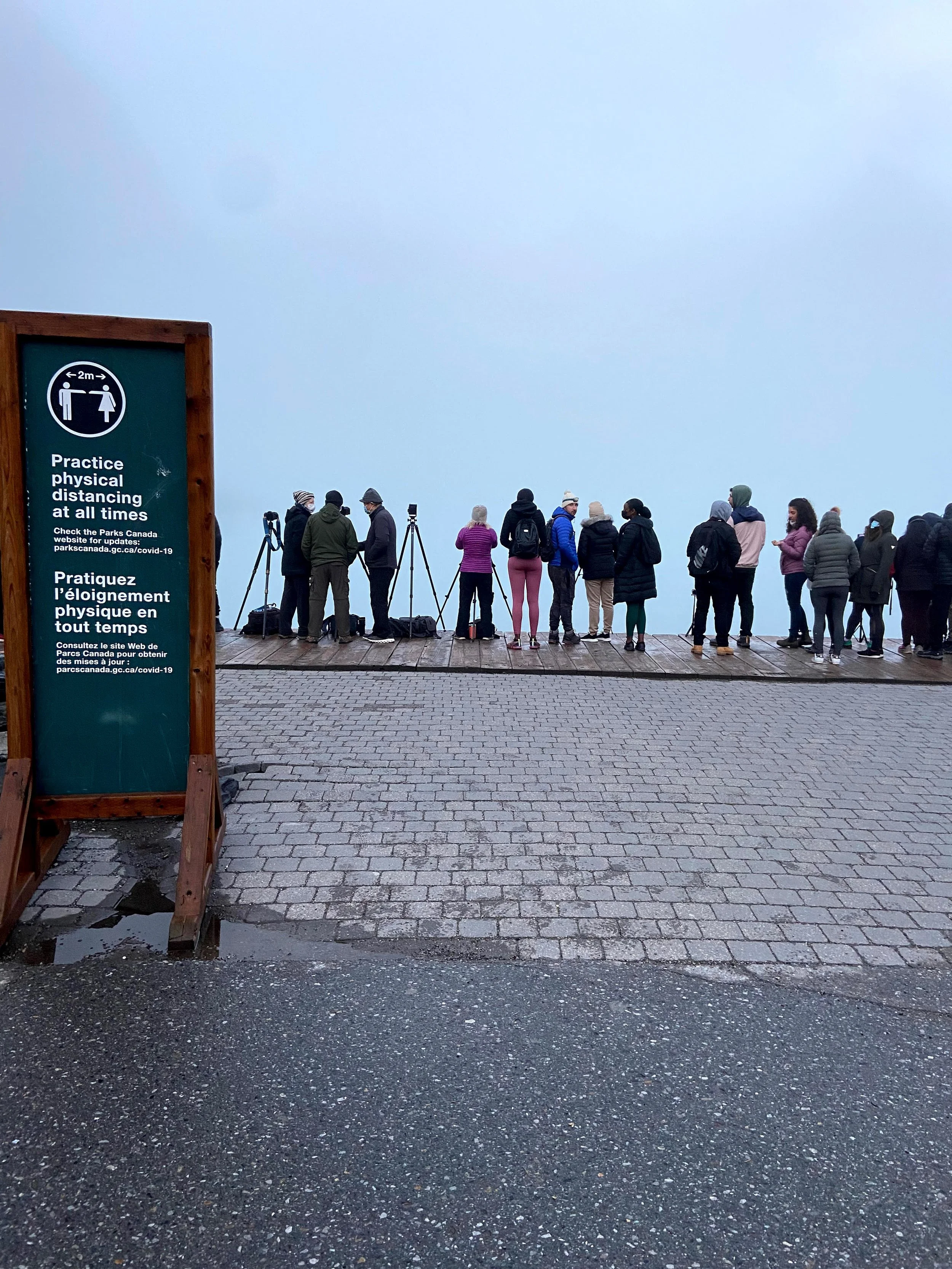
Chapter 20. Gateway Communities: Balancing Tourism Growth and Local Economies
Handbook on Tourism and Protected Areas - Edward Elgar Publishing (Upcoming)
Gateway communities play a critical role in the tourism ecosystem, serving as liaisons to their natural amenities. However, rising visitation, overcrowding, and resource degradation can create tensions between conservation goals and local well-being. This chapter explores the intersection of Visitor Use Management (VUM) strategies in national parks and their impacts on gateway communities, drawing on case studies from Arches, Banff, and Mount Rainier National Parks. While VUM aims to protect ecosystems and enhance visitor experiences, it can also disrupt local economies and limit access to valued natural amenities. The chapter examines real-world outcomes on visitation patterns, spending behavior, and social equity, offering recommendations for designing VUM systems that balance ecological protection with community resilience and inclusive governance.
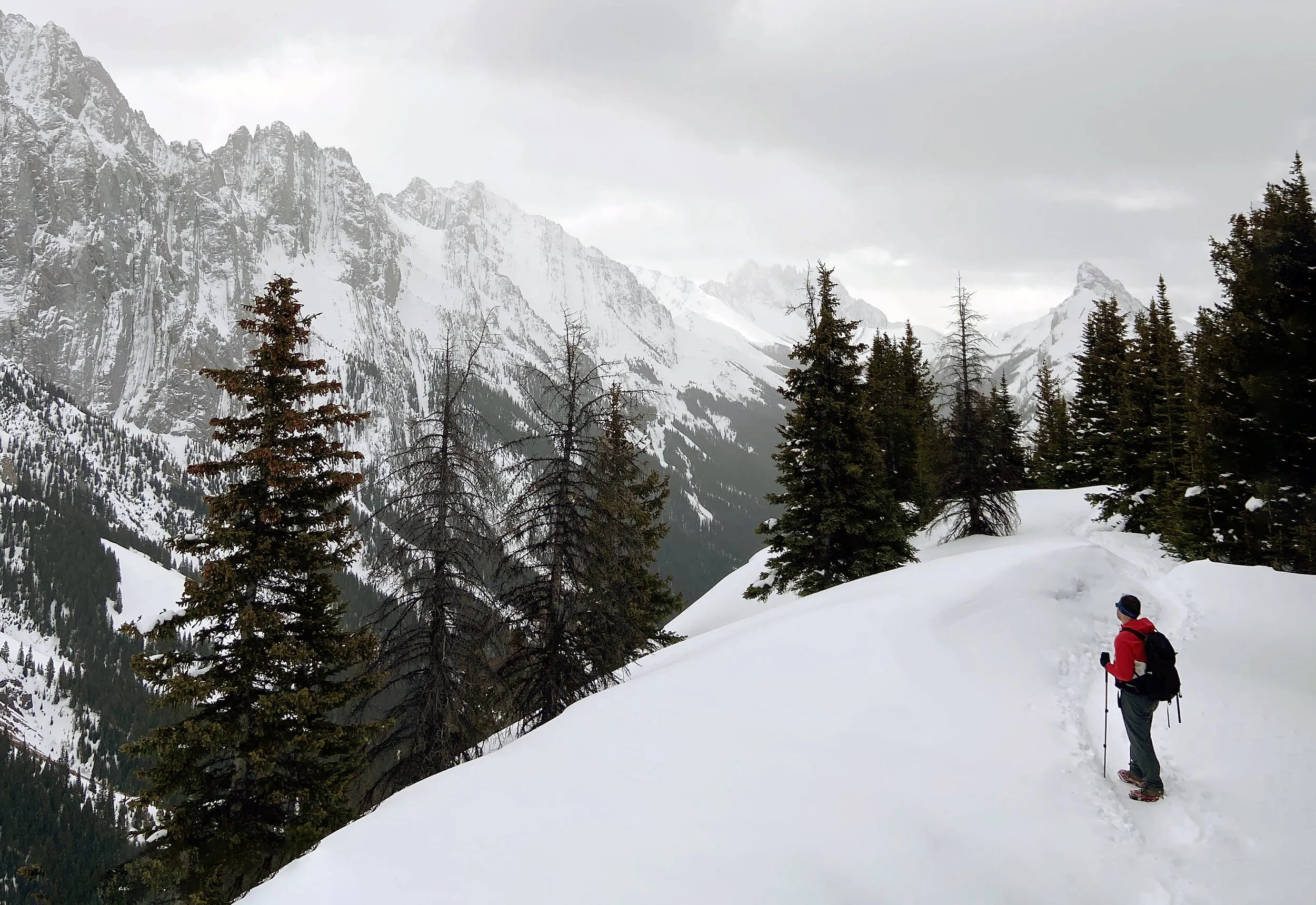
University of Colorado, Master of Science Capstone
I conducted a critical policy analysis of Alberta’s All-Season Resort Act (Bill 35), passed in December 2024 to accelerate large-scale, year-round resort development on provincial Crown land. While the legislation is framed as a tool to boost tourism revenue and attract private investment, this project examined concerns around reduced environmental oversight, limited Indigenous and community consultation, long-term Crown land leasing, and potential impacts on public access. Drawing on comparative case studies from British Columbia, the United States, and New Zealand, the research assessed alternative governance models and tourism frameworks. The resulting analysis offers evidence-based recommendations for sustainable, community-centered tourism development that balances economic growth with ecological protection, Indigenous rights, and transparent public land governance.
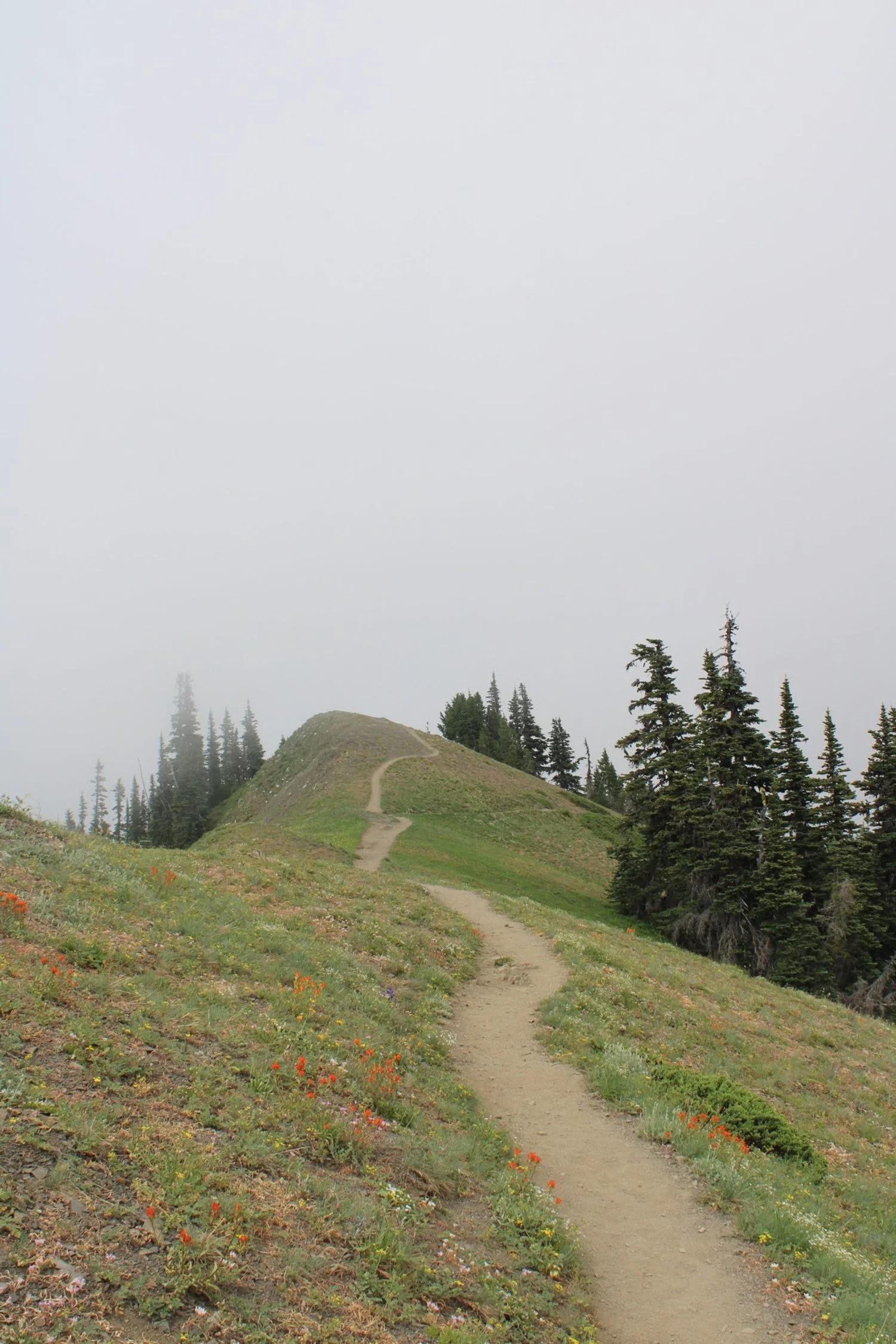
University of Colorado, Master of Science Capstone
I supported a Visitor Use Management (VUM) and visitor rationing project for the Cleveland National Forest focused on managing heavy use at two popular, urban-proximate destinations, Cedar Creek Falls and Three Sisters Falls. As visitation increased due to regional growth, post-pandemic recreation demand, and social media exposure, these sites experienced growing safety, environmental, and crowding challenges. The project analyzed comparable public lands facing similar pressures and synthesized best practices to inform data-driven recommendations. The resulting guidance supported both short- and long-term management strategies to improve visitor safety, protect sensitive cultural and ecological resources, and ensure equitable access to outdoor recreation.